How to Deal With Clover on Your Lawn
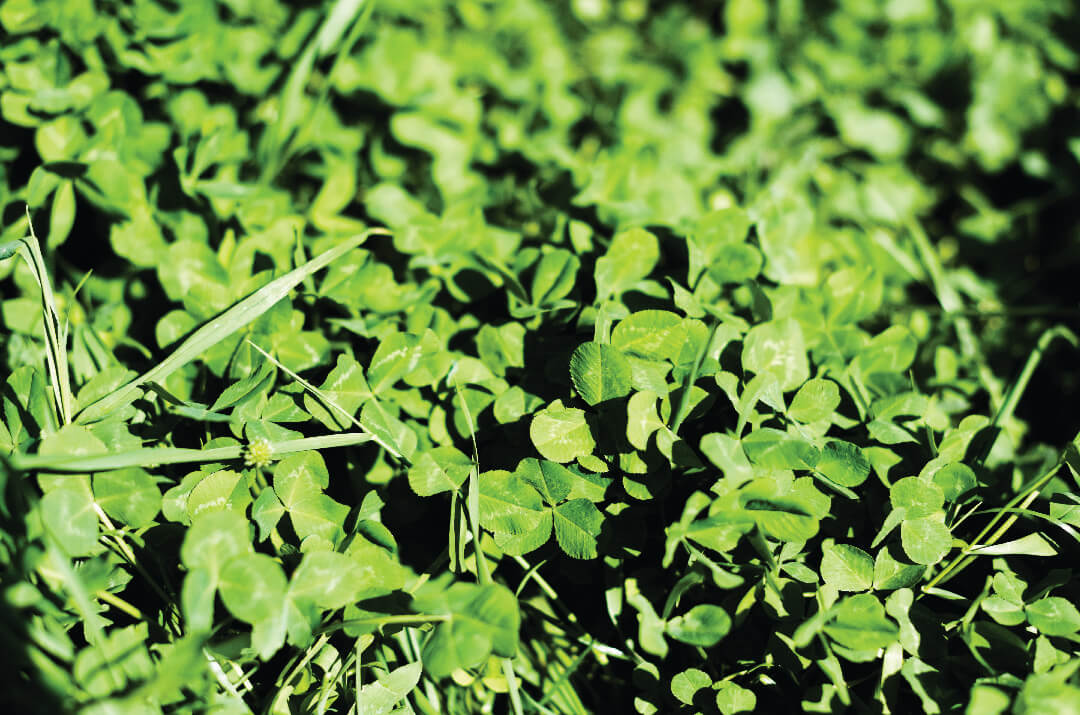
The sudden appearance of clover in the lawn tells us about the soil’s health. When clover is present in your grass, it indicates that the soil is low in nitrogen levels. Clovers flourish in low-nitrogen soil.
Lawn properties require nitrogen in the soil, and if the soil lacks this chemical, it will become weak in health. Nitrogen plays an essential role in plant structure and growth. If the plant doesn’t have enough of it, the plant won’t grow taller or produce food.
The soil’s poor health also lowers your lawn’s defense against infestations such as unwanted weeds, damaging pests, and disease-causing microorganisms. Thus, it’s essential to feed your lawn with nitrogen regularly. Several methods exist for providing your soil with nitrogen–you can try using organic or standard lawn fertilizers, or you can just leave the ends of the grass after mowing.
About Clover
Clover, a three-leaf herbaceous plant, is one of the most common weed infiltrations you will see on the lawn. Clover also varies in appearance, although it is usually easy to identify. It may be large-leaved or small-leaved and may have a white, pink, or yellow flower.
This low-growing plant can thrive on an unhealthy lawn. Since clover quickly spreads, it is a challenge to control—but manageable in most cases.
Before you decide on keeping your lawn clover-free, you might consider keeping these flowers, after all.
When Should I Get Rid of Clover in My Lawn?
If you don’t yet have a plan in place to grow plants in your garden, it may be best to leave the lawn’s clover. While clovers indicate low nitrogen levels on the soil, they can also help maintain the soil’s quality. For example, clovers can control erosion during the rainy seasons. Because of their appearance, they can also add beauty to your lawn. Third, clovers provide a food source for insects and animals.
When you are ready to plant in your garden, that may be the right time to remove your clover. To give the soil enough time to recondition, start getting rid of clover four to six weeks before planting in your garden.
Reasons Why Keeping Clover May Be Beneficial
In reality, clover is not that much of an unwanted weed. Many people intentionally keep it to aid lawns during drought. While clover may be a competition to cultivated plants, such as lawn grass, it also has excellent benefits.
Since clover thrives in low-nitrogen soil, it possesses the ability to add nitrogen to the soil. Its shared relationship with healthy bacteria helps to provide nitrogen, the primary nutrient that gives the green color to your grass.
Clover can help fertilize your lawn—especially white clover. Also known as Trifolium repens, white clover is a low-growing perennial plant. You can plant it by combining white clover seeds with grass seeds, which then reduces or eliminates the need to use nitrogen fertilizers.
Aside from naturally fertilizing the lawn, clover can also offer shade to the soil. Keeping the soil completely shaded prevents the existence of unwanted weeds. The umbrella-like clover leaves help in shading the soil. So, instead of mowing your lawn high, you can prune it short and let the clover cover the soil.
If you’re still determined to keep clover off your lawn, read on and discover some helpful tips on how to get rid of clover.
How to Get Rid of Unwanted Clover on Your Lawn
If you want to eliminate clover from your lawn successfully, the best way to do so is to create a setting that disrupts its growth while providing an advantage for the lawn grass.
Getting Rid of Clover Without Using Chemicals
1. Keep Your Lawn Well-Fertilized
As you now know, clover appears when the lawn is unhealthy and unfertilized. Since clover can make its fertilizer (nitrogen), it has an advantage over grasses, which can’t make fertilizers on their own.
Consider fertilizing your lawn in the fall and spring. This routine will give the grass a growing advantage. Keep in mind that proper maintenance of the grass’s nutrient and nitrogen levels will reduce clover permeation.
2. Remove the Clovers Manually
As soon as you notice a clover on the soil, you may pluck it gently using your hands. Just be sure to get all the roots out to prevent it from growing back.
3. Use DIY Herbicide with Vinegar and Dish Soap
An effective home-made remedy most gardeners consider useful is a vinegar-and-dish-soap mixture. Combine both ingredients in a spray bottle then mist a cluster of clover. Be careful not to spray on nearby plants.
4. Cover Lawn with Mulch
Mulch is a type of gardening material that helps cover or treat the soil. Mulch consists of barks, decaying leaves, and composts. Mulch mainly protects the soil and preserves its moisture, which improves soil health and fertility. It also helps suppress clover growth by depriving it of sunlight.
5. Create a Barrier Using Landscape Fabrics
A landscape barrier is also a useful tool to prevent clover growth, as well as other weeds. A barrier consists of fabric-like materials that don’t quickly decompose. Barriers operate on the same principle as mulch but are more efficient.
6. Mowing Grass High
Since clover is a low-growing plant, cutting the lawn grass high will prevent the clover from finding enough space to spread its roots.
Getting Rid of Clover Using Chemicals Products
1. Use Fertilizers that are Rich in Nitrogen
Since clover thrives on a low-nitrogen environment, using a nitrogen-rich fertilizer is a useful option to get rid of them. Directly spray the nitrogen-rich fertilizer on the clover, and it will be gone before you know it. For a more effective result, apply the fertilizer in early spring, which will prevent future growth.
2. Try Treating Clover with Herbicide
A herbicide is a type of pesticide that quickly terminates unwanted weeds. It only disrupts weed growth and keeps surrounding lawn grass unharmed. If misused, however, it can destroy other plants and some insects like bees, so it is best to apply it to the clover directly, once a month.
3. Burn Clover with Ammonia
Many experienced gardeners recommend applying ammonia to clover. But like herbicides, the chemicals in ammonia are also harmful to surrounding plants and insects. Therefore, you must apply ammonia directly to the clover. Use it only once every month.
4. Apply Cornmeal Gluten as a Treatment
Although cornmeal gluten does not exterminate all the weeds on your lawn, it can be somewhat effective on clover. Cornmeal gluten suppresses clover growth without harming the surrounding plants. It dries out the clover seeds, making them impossible to germinate.
Keeping your lawn clover-free is always a matter of keeping the lawn as healthy as possible. That includes the maintenance of high-nitrogen levels of the lawn’s soil.
If we apply the basic principle of “prevention is better than cure” to lawn care, we will realize how important it is to take good care of our lawn before it is too late.
Call Yard Smart For Quality Lawn Care
If you are looking for professional lawn care assistance, then Yard Smart will have your needs covered. Yard Smart is a lawn care company that provides quality service at an affordable price. We offer residential, commercial, and seasonal services. These include lawn mowing, snow removal, pest control, and landscaping. Contact us at Yard Smart today—and bring back your lawn’s glory!